
Monday Memo 1249: Paul and the Damascus Road
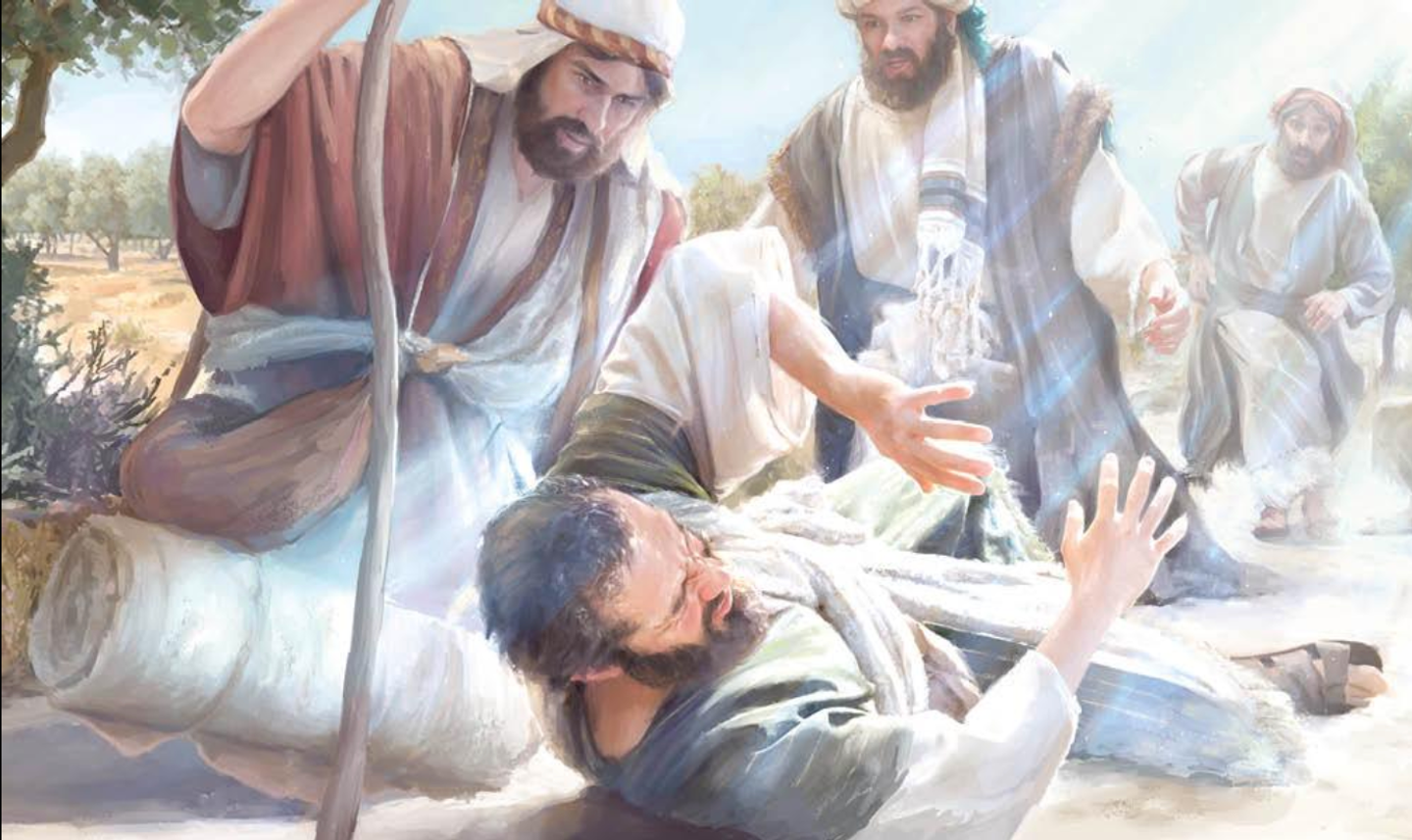 There are moments in life that change everything. Not gradually, not over time, but suddenly and decisively. For Paul, that moment came on the road to Damascus. Up to that point, he had been moving with confidence, clarity, and conviction. He knew what he believed, and he knew what he was doing. What he didn’t know was that he was moving in the wrong direction.
Acts tells us that Saul was still “breathing out murderous threats against the Lord’s disciples” as he set out for Damascus. He had secured authority to arrest followers of Jesus and bring them back to Jerusalem. This wasn’t a casual trip or a minor assignment. It was a continuation of the path he had already chosen, one marked by intensity and purpose, even if that purpose was misguided. Saul was not searching for truth in this moment. He was convinced he had already found it.
Then everything changed.
As he approached Damascus, a light from heaven flashed around him, and he fell to the ground. He heard a voice say, “Saul, Saul, why do you persecute me?” In that moment, Saul came face to face with the reality that the people he was opposing weren’t merely followers of a movement, but followers of the living Christ. His response reveals both confusion and openness: “Who are you, Lord?” “That question marks the beginning of a new direction, because the right questions often do.”
It’s important to notice what didn’t happen. God didn’t gradually nudge Saul over time or slowly introduce new ideas for him to consider. God intervened. He interrupted Saul’s path in a way that demanded attention and required a response. There was no ambiguity about what had happened. Saul couldn’t continue as he was.
Have you ever experienced a moment where God made it clear that something needed to change? Not in a vague or uncertain way, but in a manner that confronted you directly with truth you couldn’t ignore. Those moments can be unsettling because they require us to let go of what we thought was right and embrace what God is revealing instead. The question isn’t whether God speaks, but how we respond when He does.
For me, it was being a pastor. I was leading a church, but I was empty. I dreaded most Sundays and was relieved when they concluded, which isn’t something a pastor should feel. Then a job offer came to travel and lead an international ministry. Suddenly, I was confronted with a desire I had carried for years, but then I had to decide if I would act on it. Would I have the courage to step out and move on, or would I stay bound by history and tradition, choosing the safe road I knew instead of the new road I had never traveled? I chose the new road, and the rest, as they say, is history.
Saul’s encounter left him physically blind, and that blindness was more than a physical condition. It symbolized the shift that was taking place in his life. The man who thought he could see clearly had to be led by the hand into the city. The one who had come with authority had to wait in dependence. For three days, he didn’t eat or drink. He sat in the tension between what he had been and what he was becoming.
There’s a lesson here about how God works in our lives. Redirection isn’t always instant in its outworking, even if it’s immediate in its initiation. God may make something clear in a moment, but the implications of that clarity often unfold over time. Saul’s direction changed on the road, but his understanding of that new direction would continue to grow in the days, months, and years that followed.
Another important detail in this story is that God involved another person in Saul’s transformation. Ananias was sent to pray for him, restore his sight, and speak into his future. This reminds us that even when God speaks to us personally, He often uses others to confirm, support, and help us step into what He has revealed. Purpose is personal, but it’s rarely isolated.
When Ananias met Saul, he told him that God had chosen him to know His will, to see the Righteous One, and to be a witness to all people. That statement didn’t create Saul’s purpose; it clarified it. Everything Saul had experienced up to that point—his training, his background, his zeal—was now being aligned with a new direction. The same man would now carry a different message.
This is what makes the Damascus road so significant. It wasn’t the beginning of Paul’s capacity, but it was the beginning of his alignment. God did not discard what had been developed. He redirected it. Saul’s passion, discipline, and willingness to act were still present, but now they were being used for the purpose God intended.
As you reflect on this moment in Paul’s life, consider what it means for your own journey. You may not have had an experience as dramatic as a light from heaven, but God still speaks, interrupts, and redirects with the same kind of clarity. He may use circumstances, conversations, Scripture, or inner conviction to get your attention. When He does, it’s not to discourage you, but to align you.
What would it look like for you to respond as Saul did? He didn’t argue, resist, or negotiate. He asked a question, listened for the answer, and followed the instructions he was given. That kind of responsiveness is what allows purpose to move from preparation to action—and eventually fruit.
The Damascus road reminds us that purpose isn’t only about what we’re capable of doing. It’s about being aligned with what God wants us to do. You may already have the ability, the passion, and the experience. What you need is clarity and alignment. When those come together, everything changes.
God is able to redirect a life at any moment, no matter how far along the wrong path you think you’ve gone. He’s able to take what has been developed and align it with His truth and truth will set you free. When He does, the result isn’t confusion, but purpose. The question is whether we’re willing to stop, listen, and respond when He speaks.
Your Turn
Think about a time when you sensed God prompting you to change direction. How did you respond, and what did you learn from that experience? If you sense God speaking to you now about a change you need to make, take a step toward obedience this week.
What Would Paul Ask You?
What has God already shown you that requires some kind of response from you today?
Purpose Moment
Where do you sense God prompting you to realign your direction? Pause and ask God to show you if you are (or aren’t). Instead of asking for more information, ask for the courage to act on what you already know. Then take one step in that direction.