
Monday Memo 1252: Consistency in Purpose
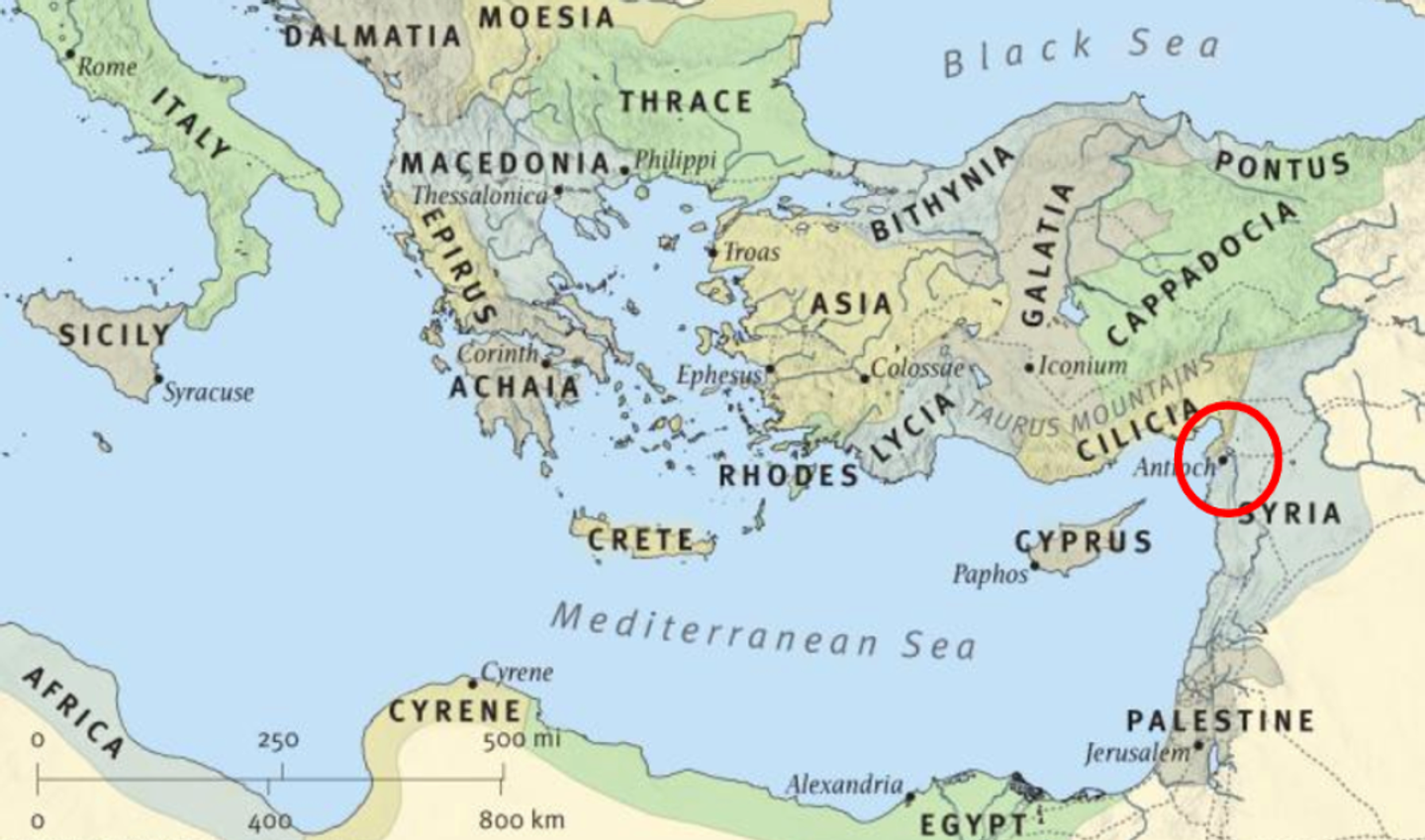 After Barnabas found Paul and brought him to Antioch, a new phase of Paul’s life began. Up to this point, Paul had been living in his hometown where he probably experienced many of the floggings and other hardships he mentioned in his letters. After Barnabas arrived, Paul entered a season where his purpose began to take on structure. Antioch wasn't just another stop in Paul’s journey. It was the place where his purpose moved from potential to practice, from preparation to consistent expression. His preparation and patience had led him to a new opportunity that would help him develop and grow to be ready for the next one.
Acts tells us that Barnabas and Paul met with the church in Antioch for a full year and taught great numbers of people. That detail is easy to overlook, but it's significant. Paul didn't immediately launch into his missionary journeys or step into widespread influence. He was faithful in Antioch, perhaps learning to submit and relate to Barnabas' leadership.
That's an important lesson because many people want the impact without the investment. They want to move quickly into visible influence without first developing the habits and discipline that sustain it—or they want to do it alone. Paul’s time in Antioch reminds us that purpose must be lived out daily before it can be expanded broadly. What does your current level of consistency say about your readiness for greater responsibility?
Antioch itself was a unique place. It was a diverse, thriving city where people from different cultures and backgrounds came together. Unlike Jerusalem, which was deeply rooted in Jewish tradition, Antioch had a broader outlook. That environment created space for the gospel to reach beyond its original context and for new expressions of faith to develop. It's not a coincidence that Paul, who had been prepared both in Jewish tradition and Gentile culture, would find his footing there.
Another important aspect of Antioch is that it functioned as a sending church. Before Paul ever traveled across regions planting churches, he was part of a community that worshiped, fasted, gave, and listened to the Holy Spirit. There was structure, leadership, and shared responsibility. Purpose wasn't isolated to one individual. It was expressed through a group of people working together.
That matters because purpose isn't only personal. While God calls individuals, He often develops and deploys them within a community. Paul didn't bypass that process. He submitted to it. He served alongside others. He learned how to function within a team. That experience would shape how he later planted churches and developed leaders.
It's also worth noting that Paul remained in Antioch for a year before anything new happened. That kind of stability isn't always easy, especially for someone with Paul’s drive and background. Yet that season of teaching and consistency was essential. It grounded his purpose. It strengthened his ability to communicate. It deepened his relationships. It prepared him for what was coming next.
Have you allowed enough time for your purpose to take root where you are, or are you constantly looking ahead to what is next? There's nothing wrong with anticipation, but there's danger in neglecting the present. The place where you are right now may be the very place where God is organizing your life for what lies ahead.
I've found in my own journey that purpose becomes clearer and stronger when it's practiced consistently. It's one thing to know what you're supposed to do. It's another thing to build your life around doing it. That requires discipline, structure, and commitment—a lot of commitment. It requires saying no to distractions and yes to what matters most. It requires showing up when you feel like it and when you don't. I can now look back and see that 25 years serving as a leader in a local church prepared me for what I'm doing today, which is speak to leaders and pastors all over the world.
Paul’s time in Antioch shows us that purpose isn't only discovered and clarified. It's developed and organized. It's lived out in real time, in real places, with real people. Before Paul was sent out, he was built up. Before he traveled widely, he served faithfully in one place. If you want your purpose to grow, you have to give it structure. You have to create space for it in your schedule. You have to invest in it consistently. You have to surround yourself with people who will support and challenge you. Without that kind of organization, even a clear sense of purpose can remain underdeveloped.
Antioch was the place where Paul learned to live his purpose in a steady and sustainable way, perhaps for the first time in a welcoming environment. It wasn't the most dramatic season of his life, perhaps indicated by the fact that he never wrote a letter to the church at Antioch. He did return there after he began his missionary journeys, but we don't know much about those visits.
God often prepares us in stages. He reveals purpose, then aligns it, then develops it, and finally expands it—at least that's what he did for me and for Paul. If you're in a season where things feel structured, steady, and even a bit routine, don't underestimate its value. That may be the very season where your purpose is being organized for greater impact—and your Barnabas may show up any time to help you move on to the next stage in your journey.
Your Turn
Look at your current schedule and responsibilities. Where do you see evidence of your purpose being practiced consistently? Identify one area where you can bring more structure or discipline to support what God has called you to do.
What Would Paul Ask You?
Are you building your life around your purpose, or are you expecting your purpose to fit into your life?
Purpose Moment
Ask God to help you bring order and consistency to your purpose. Invite Him to show you what needs to change so that your daily life supports what He has called you to do. Then take one practical step to align your schedule with your purpose.