
Purpose Study Bible 335: When to Act, When to Seek
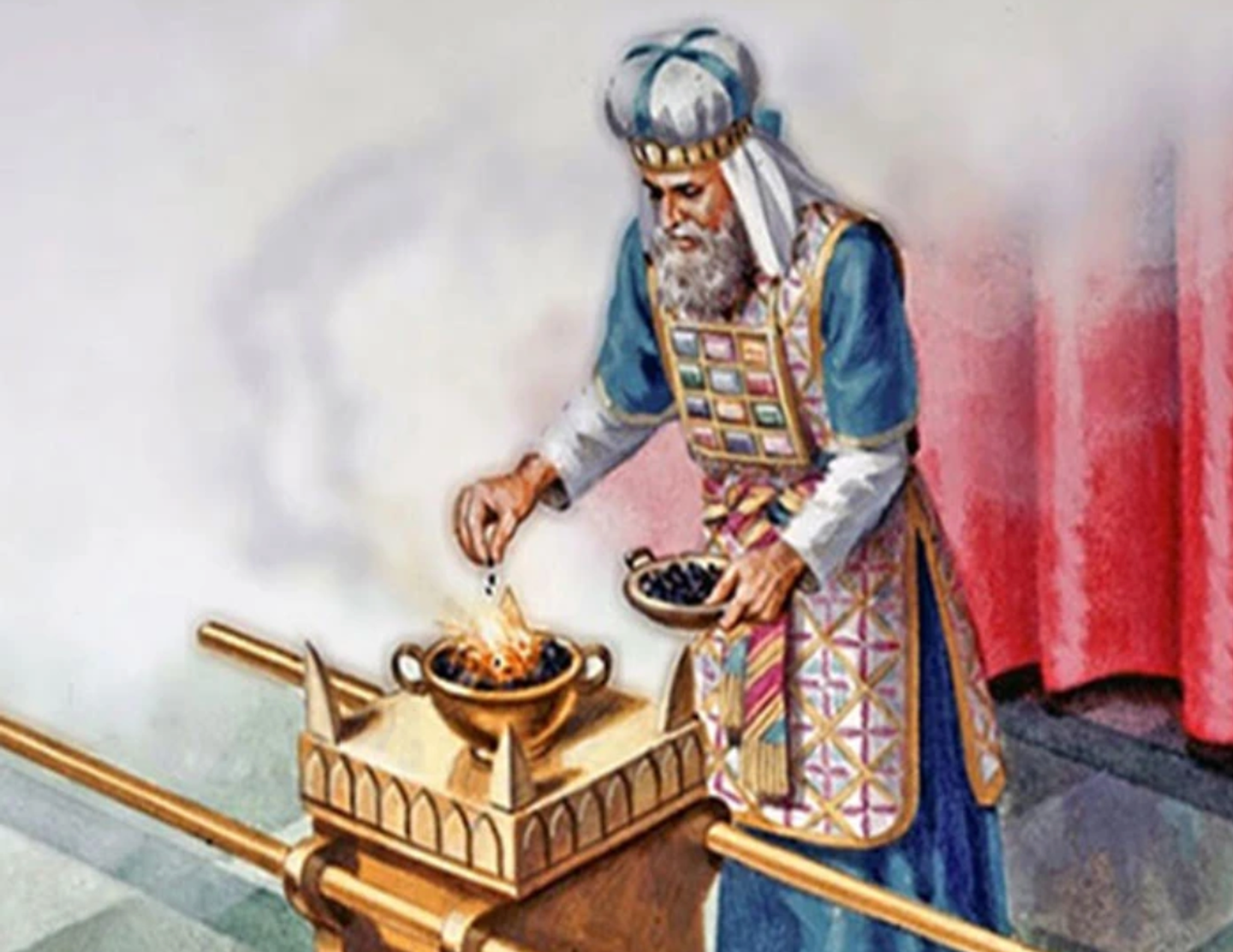 "The governor ordered them not to eat any of the most sacred food until there was a priest ministering with the Urim and Thummim" (Ezra 2:63).
In Ezra 2, most of the people moved forward to rebuild Jerusalem because they knew who they were and what they were to do. They didn’t wait for additional confirmation. They acted on what was already clear. However, a small group of priests could not verify their family line, so they were set aside until there was a priest who could consult the Urim and Thummim, objects associated with the high priest’s breastplate used to seek God’s will. Their situation was different. Their question wasn’t about preference or timing but about identity and qualification. That required confirmation.
This helps us understand an important distinction. Not every situation requires more guidance. Much of what we need to do is already clear through God’s Word, our responsibilities, the desires He has placed within us, and the needs before us. Too often, people delay action because they’re not as clear as they would like to be. They say they’re waiting on the Lord, but in reality, they’re avoiding responsibility or risk. Where might you be waiting for clarity you do not need? What do you already know that you should be doing?
At the same time, there are moments when the issue is significant and truly unclear. In those cases, it’s wise to seek the Lord through Scripture, prayer, and the counsel of others who can help confirm what we sense. That’s the modern equivalent of waiting for the Urim and Thummim. Are you facing a decision that truly requires confirmation, or one that simply requires obedience?
Faith doesn’t require perfect clarity, only sufficient clarity to take the next step. Act on what you know, and seek confirmation where you do not.